
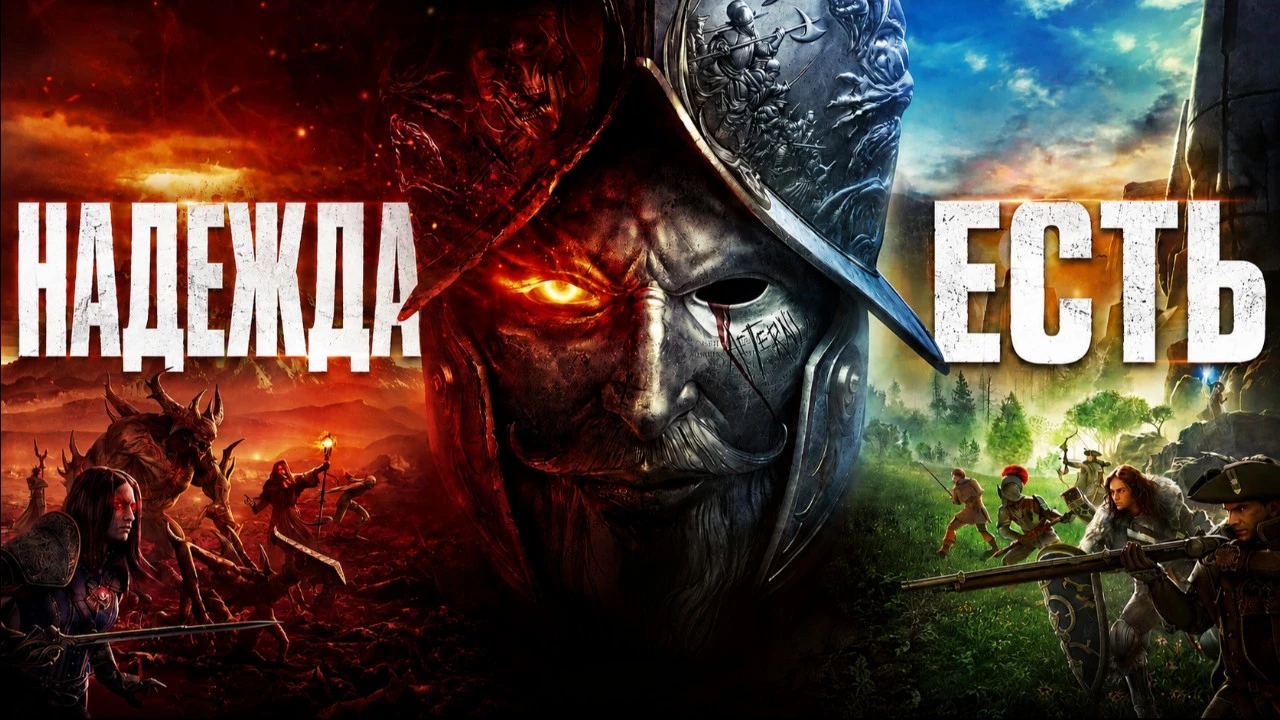
When Amazon Games launched New World in September 2021, it seemed poised to revolutionize the massively multiplayer online role-playing game genre. With the backing of one of the world’s largest technology companies and a development budget rumored to exceed $200 million, expectations were astronomical. The game attracted over 900,000 concurrent players on Steam at its peak, briefly becoming one of the most-played games on the platform. However, the story of New World is one of dramatic highs, crushing lows, and a persistent question: did we truly lose the defining MMORPG of the decade, or is there still hope for redemption?
The Ambitious Origins and Rocky Development
Amazon’s foray into game development began in 2012 with the establishment of Amazon Game Studios, later rebranded as Amazon Games. The company assembled teams of industry veterans, including developers who had worked on landmark titles like EverQuest, World of Warcraft, and Destiny. New World began as a survival sandbox game with heavy PvP elements, set in a supernatural version of the 17th-century Americas called Aeternum. The island promised eternal life but at a terrible cost, with corruption spreading across the land and ancient civilizations leaving behind mysterious ruins and powerful artifacts.
The development process was marked by significant pivots and controversies. Originally designed as a hardcore PvP survival experience, the game underwent a dramatic transformation following negative feedback during early testing phases. Amazon shifted focus toward a more traditional MMORPG experience with optional PvP, expanding the PvE content and adding a more structured quest system. This pivot, while potentially broadening the game’s appeal, also created fundamental design tensions that would plague the title long after launch. The game’s engine, built on Amazon’s proprietary Lumberyard technology, showed both impressive environmental detail and concerning technical limitations.
The Launch Phenomenon and Rapid Decline
New World’s launch was nothing short of phenomenal from a numbers perspective. The game dominated Twitch viewership, with major streamers broadcasting their adventures in Aeternum to hundreds of thousands of viewers simultaneously. Server queues stretched into hours as players desperately tried to access the game. Amazon was forced to rapidly deploy additional servers to meet demand, ultimately operating over 500 servers worldwide. The initial player experience was marked by genuine wonder at the game’s stunning visuals, satisfying combat system, and the novel territory control mechanics that pitted three factions against each other for dominance.
However, the honeymoon period was devastatingly brief. Within weeks, critical issues began surfacing at an alarming rate. Exploits allowing players to duplicate gold and items threatened the in-game economy. A notorious bug caused the game to damage high-end graphics cards, particularly EVGA RTX 3090 models, resulting in hardware failures. The endgame content proved shallow, with repetitive elite zones and a limited dungeon selection. Perhaps most damaging was the constant stream of bugs introduced with each patch, as Amazon struggled to fix issues without creating new ones. By December 2021, the concurrent player count had dropped below 100,000, and the decline continued relentlessly throughout 2022.
Attempts at Revival and the New World Aeternum Relaunch
Amazon Games refused to abandon their troubled creation. Throughout 2022 and 2023, the development team released substantial content updates, including new expeditions, weapons, and quality-of-life improvements. The introduction of the Brimstone Sands region added Egyptian-themed content and attempted to address criticisms about world variety. Season passes brought regular content drops, while the team worked to stabilize the game’s technical foundation. In October 2024, Amazon launched “New World: Aeternum,” a comprehensive relaunch that brought the game to PlayStation 5 and Xbox Series X|S while overhauling the new player experience on PC. This console release represented both an acknowledgment that the PC version needed a fresh start and an attempt to capture an entirely new audience.
The Aeternum relaunch demonstrated Amazon’s long-term commitment to the property. The update streamlined the early game experience, rebalanced progression systems, and introduced cross-platform play functionality. Industry analysts noted that while New World would likely never recapture its launch-day glory, it had stabilized into a sustainable niche product with a dedicated community. The game maintains a core population of approximately 20,000 to 40,000 concurrent players, a respectable number that places it among the top MMORPGs outside of genre giants like Final Fantasy XIV and World of Warcraft.
Lessons Learned and Future Prospects
The New World saga offers crucial lessons for the gaming industry. Amazon’s experience demonstrated that massive budgets and technological resources cannot substitute for focused game design and thorough testing. The company’s corporate culture, optimized for e-commerce and cloud computing, initially struggled to adapt to the creative and iterative nature of game development. However, Amazon Games has since found success with other titles, including the free-to-play shooter “Lost Ark” and the hero shooter “Throne and Liberty,” suggesting that valuable lessons were indeed learned from New World’s turbulent journey.
Looking forward, New World’s future remains uncertain but not hopeless. The game has survived its initial crisis and established a sustainable player base. Amazon continues to invest in content updates, and the console version has introduced the game to players who never experienced its rocky PC launch. Whether New World represents a lost opportunity or a phoenix waiting to rise may ultimately depend on Amazon’s continued commitment and the evolving tastes of the MMORPG community. The story of Aeternum, it seems, is far from over.
Expert Opinion: New World’s trajectory exemplifies the modern MMORPG paradox: games need massive player counts to justify development costs, yet the genre’s traditional design cannot sustain those populations long-term. Amazon’s persistence suggests they view New World as a decade-long investment rather than a quick return product. The console expansion indicates strategic repositioning toward a sustainable multi-platform model, and if Amazon can maintain consistent content quality while avoiding the technical disasters of launch, New World could eventually be remembered as a redemption story rather than a cautionary tale.